
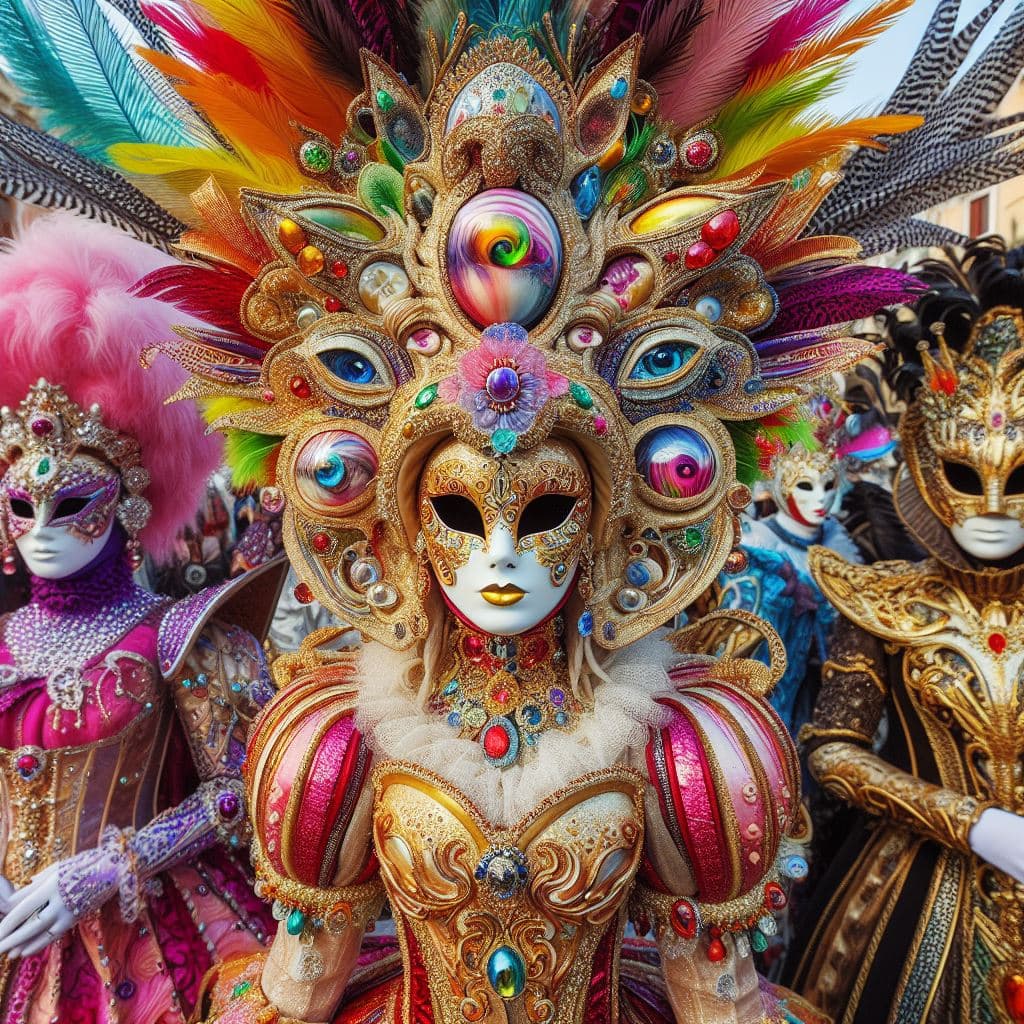
Sure, let’s delve into the fascinating world of costumes throughout history, from ancient theater to the extravagant masquerade balls of the 18th century. Costumes have played a significant role in various cultures and time periods, reflecting not only fashion trends but also social statuses, customs, and artistic expressions. Join me on this journey as we explore the evolution of costumes and their impact on society.
**Du théâtre antique**
In ancient times, costumes were an essential part of theatrical performances. The actors would wear elaborate garments and masks to help portray different characters and emotions on stage. For example, in Greek theater, actors wore masks with exaggerated expressions to be visible to all audience members, even those sitting far away. These costumes were not only functional but also served a symbolic purpose, representing various mythological figures and archetypes.
**Les bals masqués du XVIIIe siècle**
Fast forward to the 18th century, where masquerade balls became popular in Europe. These lavish events were a chance for nobles and commoners alike to don extravagant costumes and masks, hiding their identities and mingling in a whimsical setting. The costumes at these balls were often opulent and whimsical, with intricate designs and luxurious fabrics. Masquerade balls were not only a form of entertainment but also a way to challenge societal norms and express creativity through fashion.
**L’évolution des costumes à travers les époques**
As we move through history, we see costumes evolving in response to societal changes and artistic movements. During the Renaissance, elaborate costumes were designed to showcase wealth and status, with intricate embroidery and sumptuous fabrics. In the Victorian era, costumes became more modest and structured, reflecting the values of the time. In the 20th century, costumes in film and theater became more realistic and practical, with designers focusing on authenticity and historical accuracy.
**Les costumes dans les différentes cultures**
Costumes vary greatly across different cultures, reflecting the unique traditions, beliefs, and aesthetics of each society. For example, traditional Japanese costumes like the kimono are known for their simplicity and elegance, while Indian costumes are vibrant and rich in color, reflecting the country’s diverse heritage. In Africa, costumes often incorporate bold patterns and textiles, celebrating the continent’s rich cultural tapestry. By exploring costumes from various cultures, we gain a deeper understanding of the world’s diversity and creativity.
**L’importance des costumes dans l’art et la performance**
Costumes play a crucial role in art and performance, helping to bring characters to life and immerse audiences in a different time or place. Whether on stage, on screen, or at a themed event, costumes have the power to evoke emotion, tell a story, and captivate viewers. As a costume designer or enthusiast, it’s essential to understand the historical context and cultural significance of different garments, allowing you to create authentic and impactful costume designs.
From the grandeur of ancient theater to the extravagance of 18th-century masquerade balls, costumes have always been a vibrant and integral part of human expression. By studying the history and evolution of costumes, we gain insight into the creative spirit of humanity and the ways in which fashion has shaped our cultural identities. So next time you put on a costume for Halloween or a cosplay event, remember the rich legacy and artistry behind each garment, and let your imagination soar.